The Importance of a Functional Tech Workspace
In today’s rapidly evolving technological landscape, a well-designed tech workspace is more than just an office; it's a strategic component of productivity and innovation. For businesses aiming to maintain a competitive edge, understanding how to effectively design and implement tech workspaces is crucial. Not only do these environments influence employee satisfaction and creativity, but they also play an essential role in the overall operational success of an organization. To explore valuable insights, consider resources that delve deeper into workspace optimization where you can look at this website for comprehensive strategies and best practices.
Why Tech Workspaces Matter for Productivity
Research indicates that well-designed tech workspaces significantly enhance employee productivity and well-being. A functional workspace facilitates collaboration, reduces distractions, and optimizes the tools at employees' disposal. Factors such as layout, natural lighting, and even the color scheme can dramatically affect creativity and focus. Moreover, with more companies embracing remote work, the need for adaptable and innovative workspace solutions has never been more pertinent.
Design Principles for Optimal Workspace Functionality
To create an optimal tech workspace, several key design principles must be implemented:
- Flexibility: Spaces should accommodate various working styles—ranging from quiet zones for deep work to collaborative areas for team brainstorming.
- Technology Integration: Ensuring that the latest technology is embedded seamlessly within the workspace can streamline processes and improve accessibility.
- Ergonomics: Prioritizing comfort through ergonomic furniture and design can reduce the chance of injuries and enhance productivity.
Cost Considerations and Budgeting for Success
When budgeting for a tech workspace, it's vital to weigh the potential return on investment against the initial costs. Investing in high-quality materials and technology can lead to long-term savings through increased employee satisfaction and reduced turnover rates. Careful planning and consideration of future scalability should also factor into the budgeting process to prevent overspending on temporary solutions.
Key Features of an Ideal Tech Workspace
A successful tech workspace must have various features that cater to the unique needs of tech professionals. Understanding these key aspects can help businesses create an environment conducive to productivity.
Essential Tools and Equipment for Developers
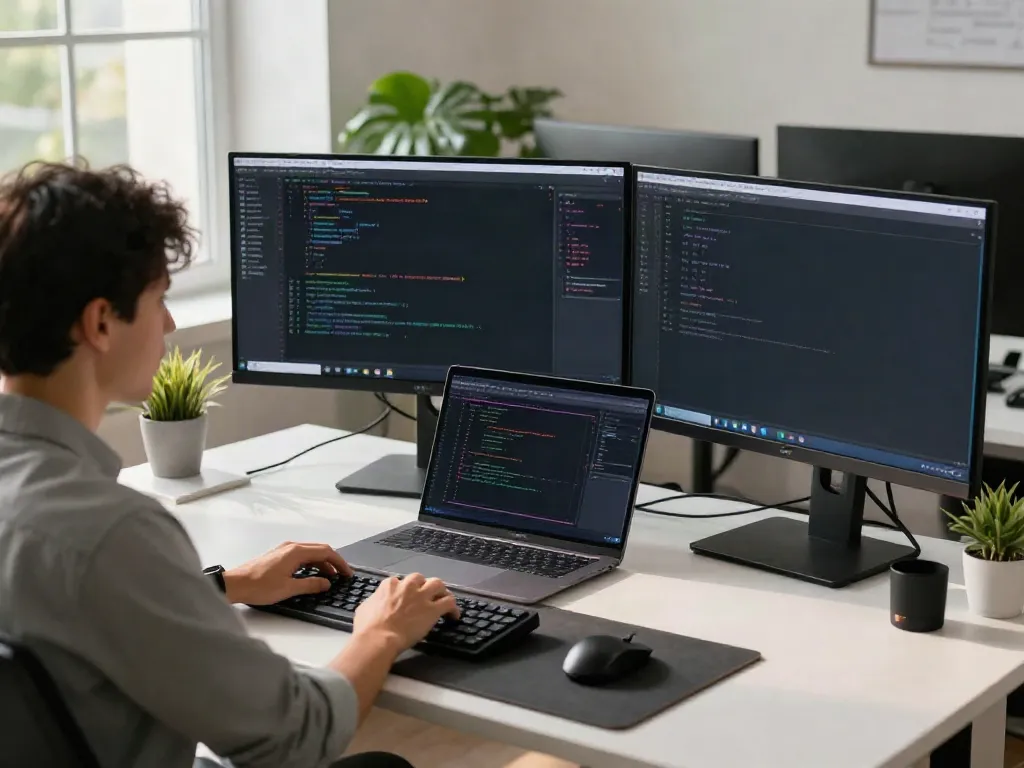
Developers require specific tools to work efficiently. Having the right hardware, such as high-performance computers and ergonomic peripherals, is crucial. Additionally, collaboration tools such as project management software and version control systems facilitate teamwork and streamline workflows.
Ergonomics and Comfort in Workspace Design
Ergonomics plays a significant role in optimizing productivity and reducing discomfort. Companies should invest in height-adjustable desks, ergonomic chairs, and supportive accessories. Comfort increases morale, leading to a more engaged and productive workforce.
Innovative Technologies to Enhance Workflow
Incorporating innovative technologies can significantly impact workflow efficiency. For example, tools like virtual reality (VR) for meetings or augmented reality (AR) for project layouts offer immersive experiences that traditional methods cannot provide. These technologies not only make tasks more engaging but also enhance clarity and understanding among team members.
Common Challenges in Tech Workspace Implementation
Despite the clear benefits of well-designed tech workspaces, companies often face challenges during implementation. Recognizing and addressing these issues can lead to more successful outcomes.
Overcoming Design Limitations and Constraints
Physical constraints of existing workspaces can pose significant challenges for redesign efforts. Companies should assess their current layouts and find creative solutions to maximize space utilization. This can be achieved through modular furniture, multi-purpose areas, and strategic use of technology to facilitate remote collaboration.
Adapting to Remote Work Culture
The shift towards remote work has changed how tech workspaces are viewed and utilized. Organizations must adapt by implementing hybrid work models that allow employees flexibility. This includes equipping teams with tools for effective remote communication while fostering a sense of belonging through regular in-office collaboration days.
Misinformation About Workspace Requirements
There is often misinformation regarding what constitutes an effective workspace. For instance, many believe that open office spaces with no boundaries are optimal for collaboration. However, research indicates that a balance between open areas and private spaces yields better outcomes for both focus and teamwork. Educating management on these findings can lead to better decisions regarding workspace design.
Real-World Examples of Successful Tech Workspaces
Several companies have implemented innovative tech workspaces that serve as benchmarks for success. Examining these case studies can offer valuable insights and inspiration for other organizations.
Case Studies: Companies With Great Workspaces
Companies like Google and Microsoft are renowned for their creative workspaces, which are designed to foster innovation and collaboration. These environments often include recreational areas, open spaces, and technology-driven facilities that enhance employee engagement. Learning from such examples can help other organizations in crafting their own effective workspaces.
Impact on Employee Satisfaction and Retention
Effective workspace design has a direct correlation with employee satisfaction and retention rates. Workspaces that prioritize the needs and preferences of employees foster a culture of loyalty. Organizations that invest in their work environments often experience decreased turnover and increased overall satisfaction.
Lessons Learned from Workspace Redesign Projects
Redesigning a workspace can be daunting, but it’s often a necessary step to adapt to changing workforce dynamics. Key lessons from successful redesign projects include the importance of involving employees in the design process, conducting thorough research on needs, and being open to iterating on feedback post-implementation.
Future Trends in Tech Workspaces for 2026 and Beyond
The future of tech workspaces is promising, marked by trends that prioritize flexibility, sustainability, and advanced technologies. Keeping abreast of these trends will be essential for businesses looking to stay ahead in their workspace design.
Emerging Technologies and Their Role in Workspaces
Emerging technologies such as AI, machine learning, and the Internet of Things (IoT) will fundamentally alter workspace dynamics. For instance, AI can optimize environmental settings, adjusting lighting and temperature based on individual preferences. Companies that embrace these technologies will likely see improved employee comfort and energy efficiencies.
Predicted Shifts in Workspace Design Philosophy
As we move towards 2026, the design philosophy of workspaces is expected to shift towards more human-centered spaces that cater to well-being and psychological safety. This approach emphasizes not just aesthetics but also promotes mental health, inclusivity, and collaboration.
The Impact of AI on Workspace Productivity
AI tools are set to transform how tasks are performed, automating mundane processes and allowing employees to focus on more strategic, creative work. This shift in task allocation will likely enhance productivity and lead to a more fulfilling work experience.