
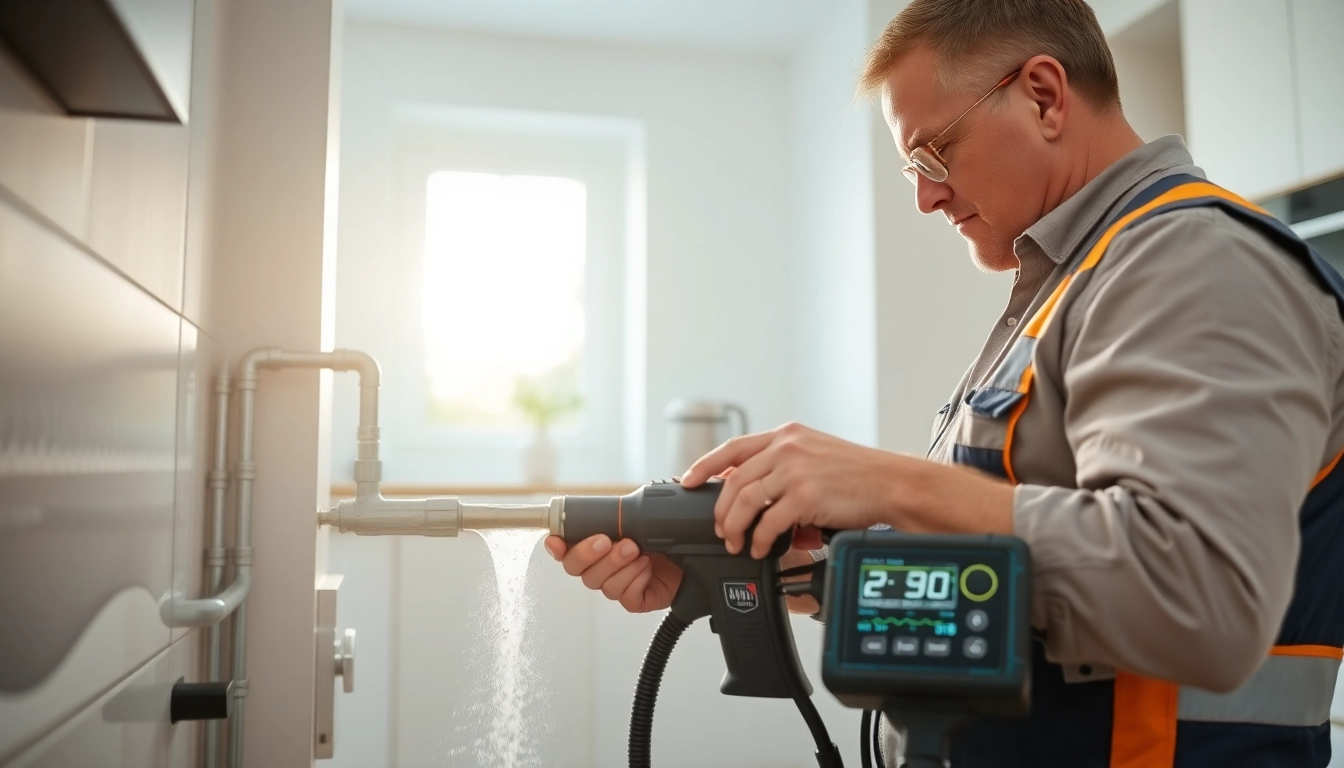
Understanding Power Flush: What It Is and Why It Matters
A power flush is an essential maintenance procedure for your home’s central heating system, designed to enhance efficiency and extend the lifespan of your heating infrastructure. By removing accumulated sludge, rust, and debris from the system, it ensures that hot water circulates freely, making your heating more effective. When considering options for maintaining your heating system, power flush provides comprehensive insights into how it can benefit your home.
Definition and Purpose of a Power Flush
A power flush involves using a specialist machine to pump water at high pressure through your heating system. The main objective is to dislodge and remove buildup from radiators, pipes, and boiler components that can impede the flow of hot water. This process is particularly crucial for older systems that may not have been maintained regularly, leading to decreased efficiency and higher heating bills.
Common Misconceptions About Power Flushing
Many homeowners think that a power flush is overly aggressive and could damage their heating systems. However, when conducted by qualified technicians using appropriate methods and equipment, the process is both safe and effective. Another myth is that power flushing is only necessary for older systems; any heating system can benefit from this service to maintain optimal performance.
The Importance of Regular Maintenance
Regular maintenance, including power flushing, helps to prevent long-term issues such as boiler breakdowns and inefficient heating. Systems that are not maintained can experience a build-up of minerals and sludge, leading to higher energy usage and increased risks of leaks or complete failure. By incorporating power flushing into your annual maintenance plan, you can ensure your system operates at peak performance.
How Power Flush Works: The Process Explained
The power flush process is systematic and thorough, involving several steps to ensure optimal cleaning of your heating system. By understanding how it works, you can appreciate its importance and trust in its effectiveness.
Step-by-Step Guide to Conducting a Power Flush
- Assessment: A technician evaluates your heating system’s overall condition to determine if a power flush is necessary.
- Preparation: The system is isolated, and safety precautions are implemented, including placing a magnetic filter to catch debris.
- Cleaning: Using a power flushing machine, water mixed with cleaning agents is pumped through the heating system at high velocity to dislodge and remove sludge.
- Rinsing: Once the debris is loosened, clean water is circulated to flush out the system thoroughly.
- System Refill and Test: The system is refilled with fresh water, and pressure is tested to ensure everything is functioning correctly.
Equipment and Techniques Used During a Power Flush
High-quality equipment is critical for an effective power flush. Technicians typically use:
- Power Flushing Pump: This device generates the necessary pressure to circulate water through the system.
- Magnetic Filters: To capture ferrous debris and sludge during the flushing process.
- Cleaning Agents: Specially formulated chemicals are added to break down stubborn deposits.
Safety Measures to Consider
Safety is paramount during a power flush. Technicians should ensure that the system is completely isolated and that all necessary safety gear is worn. Additionally, it’s important to conduct a thorough check of the system, including pipes and radiators, to identify any potential vulnerabilities that may require additional attention.
Identifying the Need for a Power Flush: Signs to Look For
Identifying the symptoms that indicate a need for a power flush can save you from more substantial problems down the line. Look for the following signs:
Common Symptoms Indicating Your System Needs Flushing
- Cold Spots on Radiators: If your radiators aren’t heating evenly, sludge may be blocking hot water flow.
- Increased Energy Bills: A significant rise in heating costs could indicate inefficiencies linked to poor circulation.
- Noisy Heating System: Gurgling or banging noises often signal trapped air or sludge buildup.
How a Power Flush Can Prevent Future Problems
Regular power flushing can prevent issues such as leaks, radiator failure, and boiler breakdowns, which can result in costly repairs and inconvenience. By ensuring that your heating system remains clean and efficient, you can significantly reduce the chances of unexpected malfunctions.
Assessing the Condition of Your Heating System
Before scheduling a power flush, it’s essential to assess your heating system’s overall condition. A professional can inspect for signs of wear and tear, leaks, or corrosion that may require additional service and maintenance alongside the flushing process.
Cost of Power Flushing: What You Should Expect
The cost of a power flush can vary widely depending on several factors, including the size of your property and the condition of your heating system. Understanding these factors can help you budget effectively.
Factors Influencing Power Flush Pricing
- Property Size: Larger homes typically require more time and resources for a complete flush.
- Number of Radiators: The more radiators you have, the more complicated and time-consuming the process can be.
- Condition of the System: Older systems with more significant buildup may take longer to clean.
Comparing Power Flush Costs Across Different Properties
As a general guideline, power flushing costs can range from £300 for small flats to upwards of £800 for larger properties. Knowing the specifics of your home will help in obtaining accurate quotes from service providers.
Is Power Flushing Worth the Investment?
Ultimately, investing in a power flush yields long-term savings in efficiency and maintenance. While the upfront cost may seem substantial, the benefits—such as reduced energy bills and fewer repair needs—often outweigh the initial expenditure.
The Future of Power Flushing: Trends and Innovations for 2025
As technology advances, so do the methods and equipment used for power flushing. Staying informed about these trends can ensure you receive the best possible service for your heating system.
Emerging Technologies in Power Flush Equipment
Innovations such as automated flushing systems and advanced diagnostic tools are making power flushing more effective and efficient. These technologies allow for better precision during the cleaning process and can even offer real-time monitoring of system conditions.
How Environmentally Friendly Practices Influence Power Flushing
There is a growing emphasis on using environmentally friendly cleaning agents and methods that minimize water waste. Technicians are increasingly being trained in eco-friendly practices, aligning with broader sustainability goals.
Predictions for the Evolution of Home Maintenance Services
As the importance of home maintenance grows, services like power flushing are likely to become standard practice rather than an optional extra. As awareness increases, homeowners will be encouraged to consider preventative maintenance as an integral part of home ownership.