Understanding Free Computer Disposal
What is Free Computer Disposal?
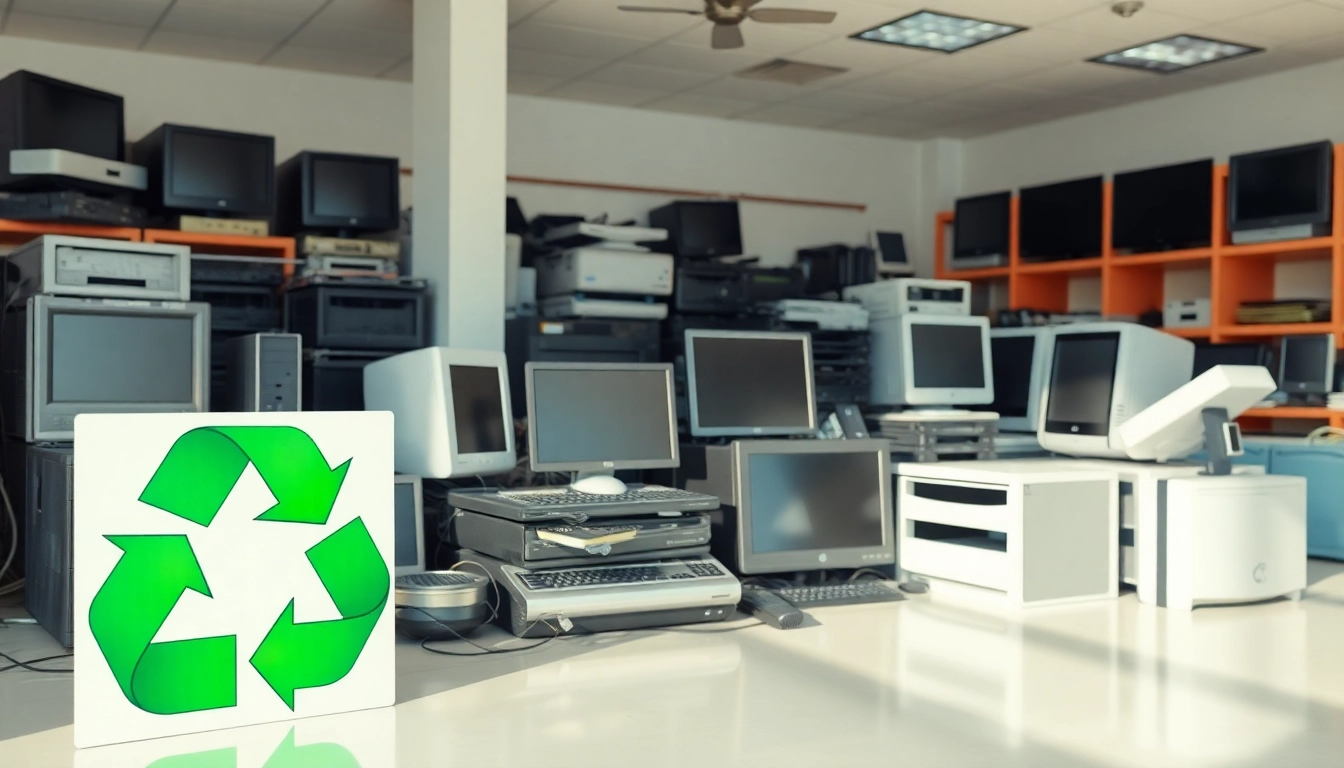
Free computer disposal refers to programs and initiatives that allow individuals and businesses to get rid of their old computers without incurring costs. This service is critical in managing electronic waste (e-waste), a growing environmental concern as technology advances. The process typically involves collecting outdated or unwanted computer hardware and ensuring it is recycled or disposed of responsibly, reducing harmful effects on the environment.
Benefits of Free Computer Disposal
Opting for free computer disposal offers several benefits:
- Environmental Protection: Proper disposal prevents harmful substances found in electronics, such as lead and mercury, from contaminating soil and water.
- Resource Recovery: Recycling old computers enables the recovery of valuable materials like metals and plastics, conserving natural resources.
- Safe Disposal: Utilizing certified services ensures that your electronics are handled safely and legally, adhering to regulations.
- Data Security: Many disposal services offer data wiping services, protecting your personal or sensitive information from potential breaches.
- Community Responsibility: Engaging in recycling programs fosters a culture of sustainability and responsible waste management.
Common Misconceptions About Free Computer Disposal
Despite the clear advantages of free computer disposal, several misconceptions persist:
- It’s Only for Individuals: Many believe that free disposal services are only available for individual consumers, but numerous programs also cater to businesses.
- All Items Are Accepted: Not every electronic item is eligible for free disposal. Each program may have restrictions on what can be recycled.
- Disposal Means Throwing Away: Some think that disposal simply means throwing old computers in the landfill. In fact, free disposal often leads to recycling and resource recovery.
- Data Is Always Secure: Many assume that simply dropping off old computers ensures data security. It’s essential to check if the service provides data clearing measures.
How to Find Free Computer Disposal Options
Online Resources for Free Computer Disposal
A variety of online platforms can help you locate free computer disposal services. Websites such as local government pages, environmental organizations, and non-profit retailers often maintain lists of recycling events and facilities. Search engines can be utilized to find nearby initiatives that include free computer disposal options, while community forums may provide recommendations or personal experiences with services.
Local Recycling Centers and Programs
Many municipalities implement e-waste recycling programs at community recycling centers, where residents can drop off old computers free of charge. Some recycling centers are designed to accept a variety of electronic goods, not just computers, making them convenient for extensive spring cleaning. Contact local waste management offices to identify specific centers and their accepted items.
Community Initiatives for Free Computer Disposal
Community events, such as e-waste drives or “clean-up days,” often encourage residents to dispose of their old electronics responsibly. These initiatives are generally organized by local governments, schools, or environmental organizations and may offer free disposal services during designated times. Participating in such events helps raise awareness about recycling and promotes a collective effort toward sustainable practices in your community.
Preparing Your Computer for Disposal
Data Wiping Techniques
Data security is paramount when disposing of your old computer. It’s essential to remove all personal information to protect against identity theft and data breaches. Various software solutions exist that can securely wipe your hard drive by overwriting data multiple times, making recovery nearly impossible. For mild preparations, consider using built-in factory reset options available in most operating systems.
Physical Cleanup of Devices
Once data security has been addressed, cleaning the physical components of your device is advisable. It not only makes the hardware more presentable but also aids in the recycling process. Remove dust, debris, and personal effects, and separate peripherals like cables and peripherals from the main unit. This simple step ensures proper categorization during the disposal process.
Packaging for Transport
When preparing your computer for transportation to a recycling facility, package it securely to prevent any damage. Use bubble wrap or padded boxes, ensuring that any fragile components like monitors are well-protected. Label the package with the type of equipment inside, as this allows the recycling staff to handle it correctly upon arrival.
What Happens After Free Computer Disposal?
Recycling Process Explained
Once your computer is received by a recycling facility, the dismantling process begins. Components are sorted into categories such as metals, plastics, circuit boards, and batteries. Each of these materials is processed according to specific environmental regulations to ensure safe recovery and recycling. Valuable metals are extracted for reuse in new products, while waste is disposed of responsibly.
Responsible E-Waste Management
Responsible e-waste management involves adhering to the principles of the circular economy, where waste products are minimized, and materials are reused. Certified recycling programs implement processes that keep harmful substances out of landfills and ensure maximum recovery rates of usable materials. Staying informed about reputable recycling services is critical in contributing to these efforts.
Environmental Impact of Proper Disposal
Proper disposal of e-waste significantly lessens its environmental footprint. By recycling instead of discarding, natural resources are preserved, energy consumption is reduced, and harmful pollutants are kept out of ecosystems. Responsible e-waste management can mitigate the adverse effects of technology on our environment, aiding in the efforts to combat climate change.
FAQs About Free Computer Disposal
What electronic items can I dispose of for free?
You can generally dispose of old computers, monitors, printers, and many accessories at designated recycling centers or events, often without cost.
Is data wiping necessary before disposal?
Yes, it is crucial to wipe your data to prevent identity theft. Use reliable software or device settings to erase all personal information before disposal.
Are there limits on how many items I can dispose of?
Limits vary by local program; some may restrict the number of electronics per visit. Always check specific guidelines for your area.
Can businesses participate in free computer disposal?
Many programs provide options for businesses, though rules and possible fees can differ. Contact local services for precise details.
How to report illegal dumping of electronics?
Report illegal dumping to local authorities. They have the capacity to investigate and impose penalties on violators to uphold environmental regulations.